MacMiller People & Culture

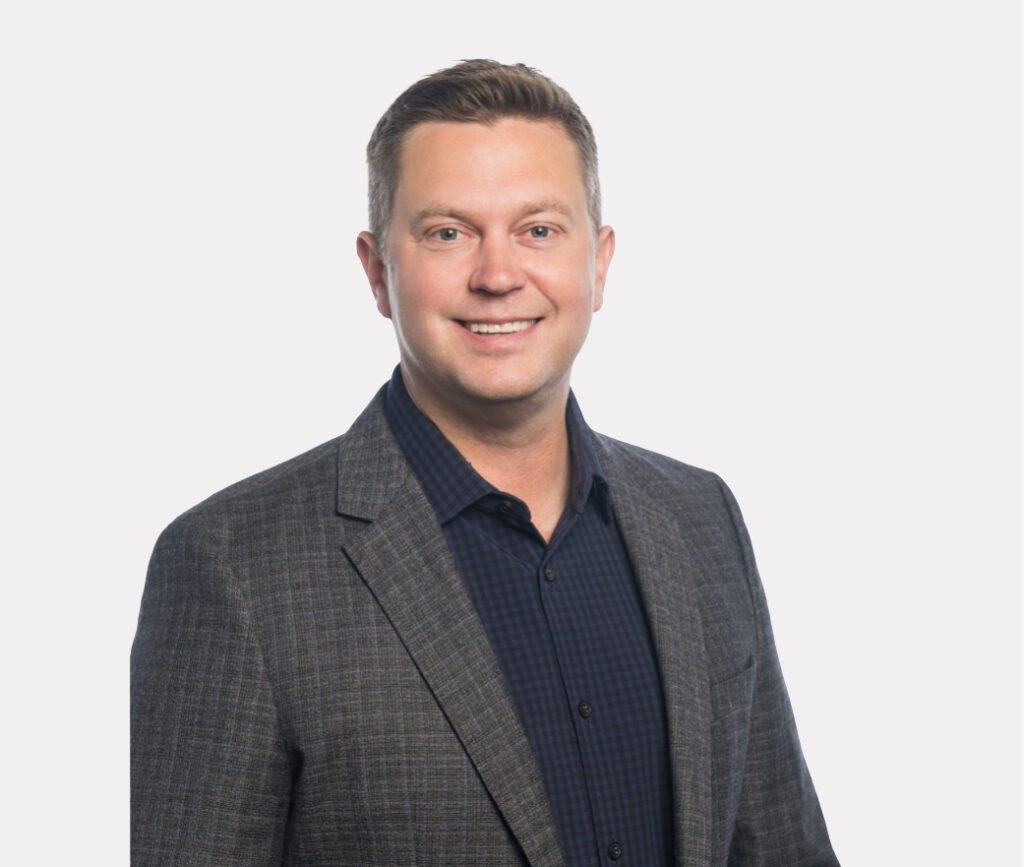
Meet MacDonald-Miller: Gary Larkin, System Optimization Specialist

Gary Larkin has spent 25 years at MacDonald-Miller helping teams deliver the kind of work customers remember. As a System Optimization Specialist Gary’s role sits at the intersection of quality assurance, commissioning, and start-up coordination. In this article, Gary shares what QA/QC is, what it looks like day to day, and why doing it right preps everyone for a great handoff at the completion of a project.

Q: What does a System Optimization Specialist do? How do you explain it to someone outside the field?

Gary: My role as System Optimization Specialist is basically quality assurance (QA/QC), and the commissioning process, and then, also some light project management for start-up and commissioning coordination with the other trades. The stuff I work on generally has a lot of moving parts, and there’s a lot of things to check! 


Q: When you say “quality assurance,” what does that actually look like across an entire project?

Gary: It’s sort of a multi-phased process. We inspect during the rough-in period and try to catch any big issues. As the project progresses and we’re getting power to equipment, we’re starting equipment up in the right sequences.

Then we’re the last person that hands the keys over to the owner to make sure the i’s are dotted and the t’s are crossed and that we’re giving them the quality product. Not only as contracted, but so our name reflects the quality of work we want to perform.


Q: What does an average day in QA/QC look like for you?

Gary: Early on, it’s mostly coordination and walking around, checking big-picture. Comparing model numbers to submittals and contract documents, making sure all the accessories and things we were obligated to install are there.

As equipment starts up, we coordinate that and make sure it’s performing per design. We assist with functional performance tests with building management systems, working with test and balance, controls, the general contractor, and electrical contractors.

We’re also making sure it’s turned over with the labeling, gauges, P and T ports—small things that often get missed. The goal is to send over a complete project on time.


Q: Why do those “small things” get missed and why do they matter so much?

Gary: Budgets get tight and time gets tight, especially at the end. There’s always a push to get the main people onto the next project. That last 10% is what the owner remembers most. It’s what the general contractor remembers most.

When the last 10% goes well and they can tell we’re being conscientious, that’s what they remember on the next project when it goes out to bid, or when it comes up for the service contract. Finishing strong is very important for our company.


Q: What does a “good handoff” to service look like on a project like this?

Gary: When we’re turning over a building to the owner, we’re not only turning it over to the owner, we’re also turning it over to the service group and facility team. Making sure we have maintenance access, everything labeled properly and all that. Those things tie into a seamless process and a great work environment for everyone involved.

Quality doesn’t happen by accident. It’s a result of diligent checking, testing, and coordination. Then, when we hand off, owners and teams know they are inheriting a system that performs the way it should.

Q: Switching gears a little, you’ve been at MacDonald-Miller for 25 years. How did you get into this work?

Gary: I’m a trade guy by nature. I started out in the nuclear propulsion program in the Navy, then I was an automotive technician. I’ve always been very hands-on. The test and balance world and the controls world lent itself to the broad skill set from automotive and steam plant operations.

MacDonald-Miller has been great to work for. They’ve always given me everything I’ve ever needed to do my job, and I’ve never been tempted to look anywhere else.

Q: What stands out to you about the people across MacDonald-Miller and your impact on the PNW?

Gary: Since my role sits in that transition from rough construction to handing over the keys and getting service involved, I get to meet a lot of great people in the company and all the different disciplines: sheet metal, plumbing, fitting, service.

The Pacific Northwest is a beautiful place and I enjoy it here very much. At the end of the day, for me it’s about people. Our mechanical systems serve people. Important work in hospitals, bio labs, data centers, or anything—if we do it right, we’re ultimately helping people.

Related News