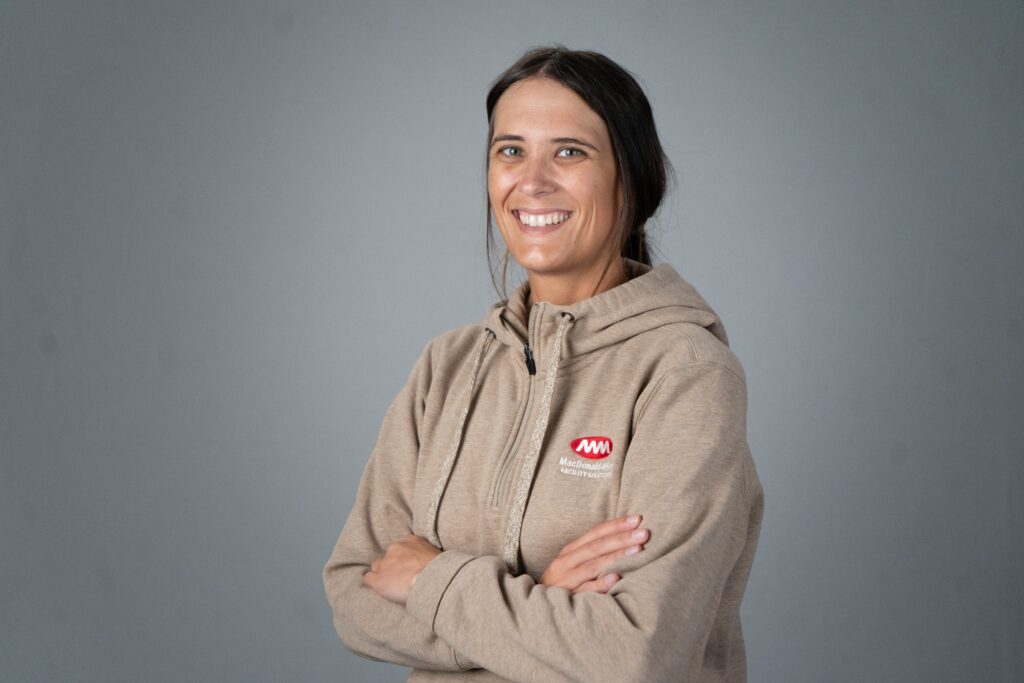


“I actually fell into the controls business by accident. I started as an installer for an electrical contractor back in the 1980s when the industry was just beginning to see the emergence of Direct Digital Control (DDC) systems. At that time, almost everything was pneumatic, so I grew up in a hybrid world where you had to understand both the old and the new. After two decades at Siemens and stints with various dealers working on data centers across North America, I joined MacDonald-Miller eight years ago.”
MacMiller People & Culture
Controls In Critical Environments: Q&A with Bob Davis
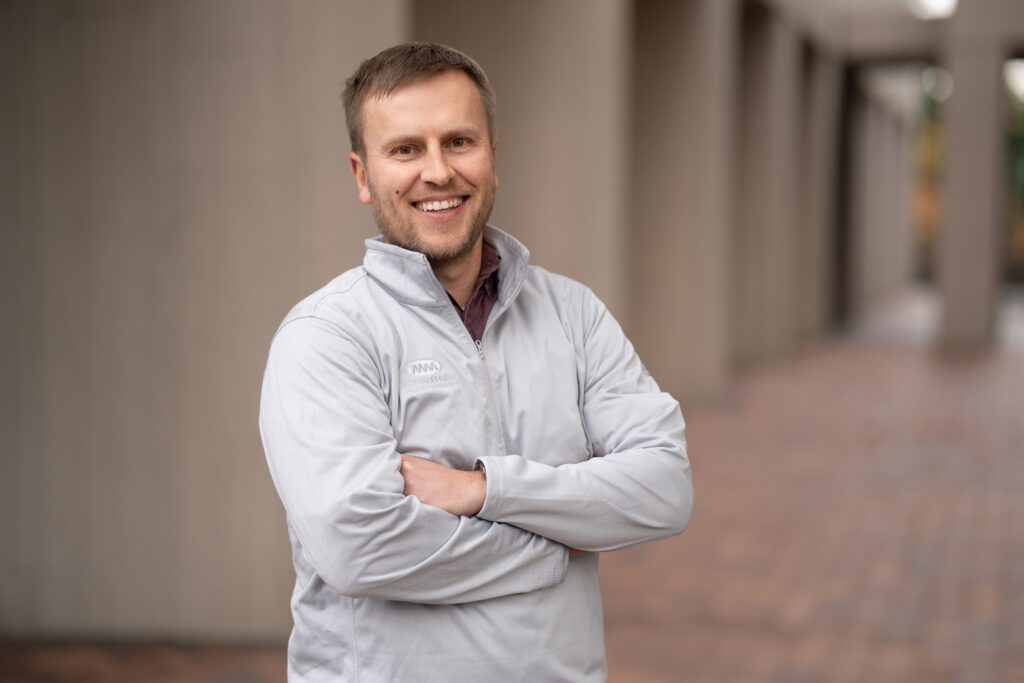
With 45 years in the controls industry, Bob Davis has seen the evolution from pneumatic systems to complex digital architectures and gained hands-on expertise across building systems from data centers to life sciences labs.
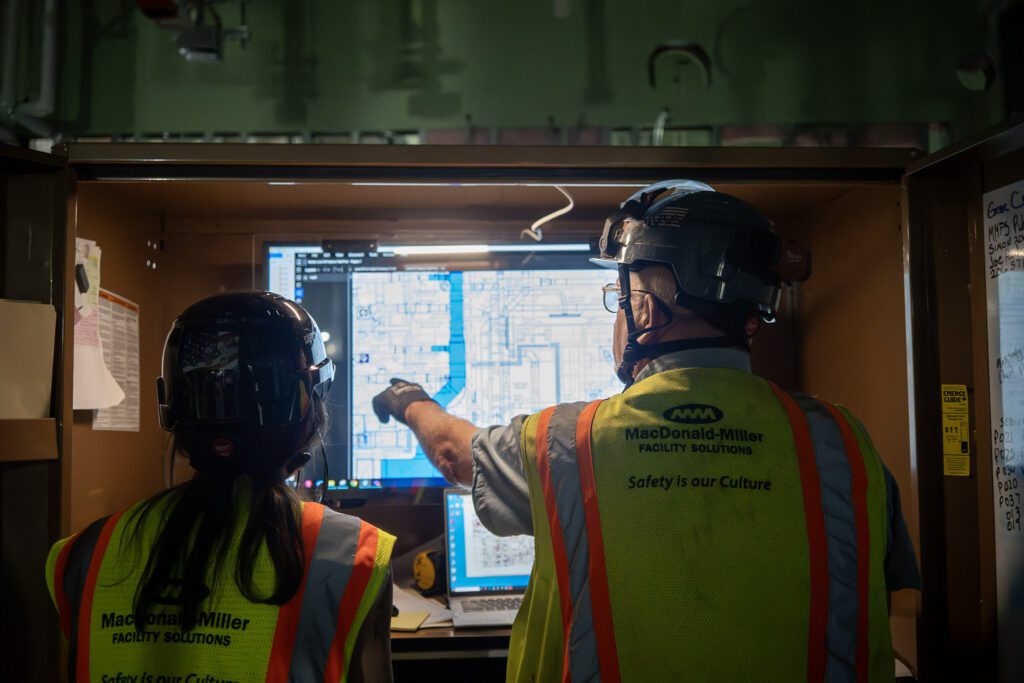
Now an Account Manager in the controls division at MacDonald-Miller, Bob specializes in the high-stakes world of critical environments where the margin for error isn't just a matter of comfort, but of necessary uptime and life safety.

Q: You’ve been in this industry for four and a half decades— congratulations! How did you get your start?
Q: What is it about critical environments—like labs and hospitals or data centers—that keeps you engaged after all this time?
“It’s the detail. My personality is wired for the fine minutia. In a standard commercial office, you’re mostly managing “creature comforts” like temperature. But in a critical environment, you’re managing life safety and critical uptime. For example, in an operating room, if the airflow isn’t directed exactly over the patient and pressurized to keep contaminants out, the risk of surgical site infections skyrockets. The building systems essentially become part of the healthcare team.
In data center work, the fundamental goal is ensuring that server farms never go down. That means from initial design to service and maintenance you’re approaching the equipment from a unique, collective life-cycle perspective while meeting highly specific system-wide requirements on pressurization functionality, alongside strict temperature and humidity controls. If all those details aren’t dialed in, the reliability of the entire facility is at risk.“
Q: Is there a specific project you’ve worked on that you’re particularly proud of?
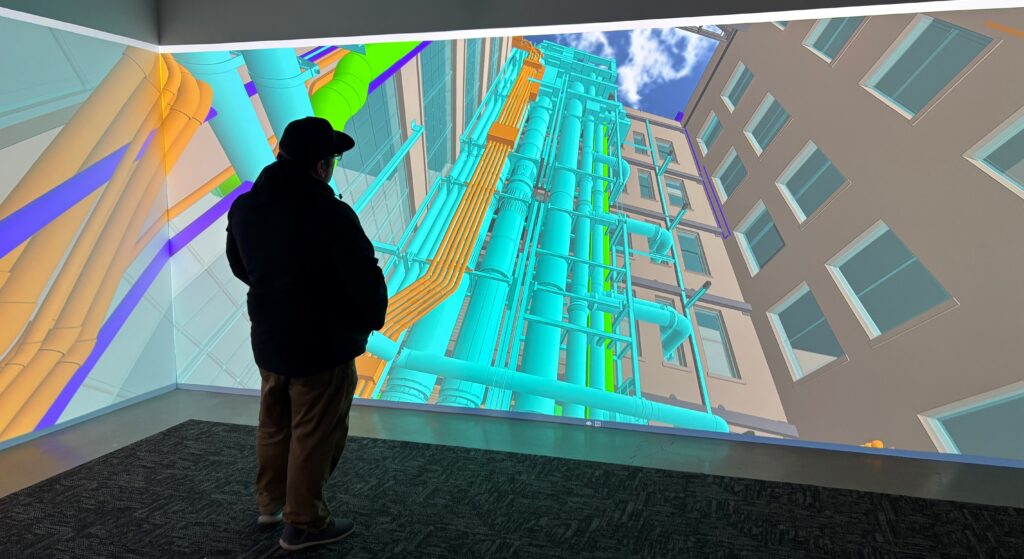
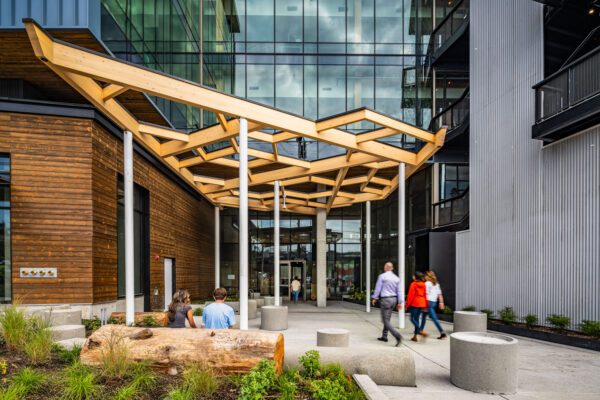
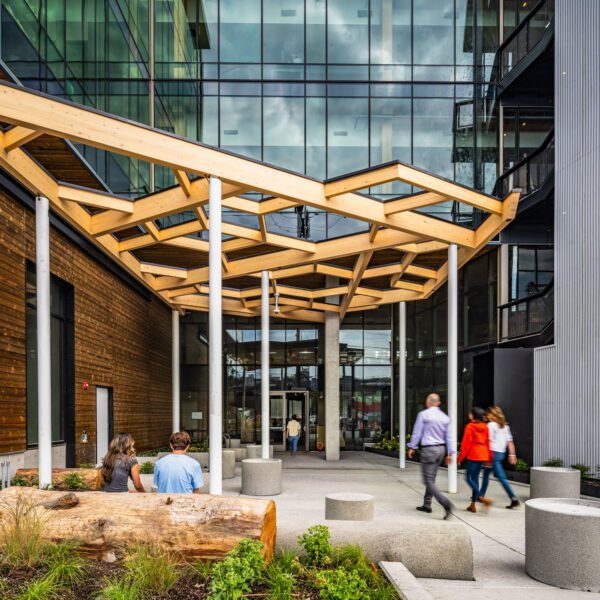
“Definitely. The project was a unique mass timber structure that houses wet labs, clean rooms, and an Nvidia supercomputer center. Because it was mass timber, the aesthetics were vital, but the ceiling was packed with ductwork, piping, and fire sprinklers—leading to tens of thousands of potential clashes.
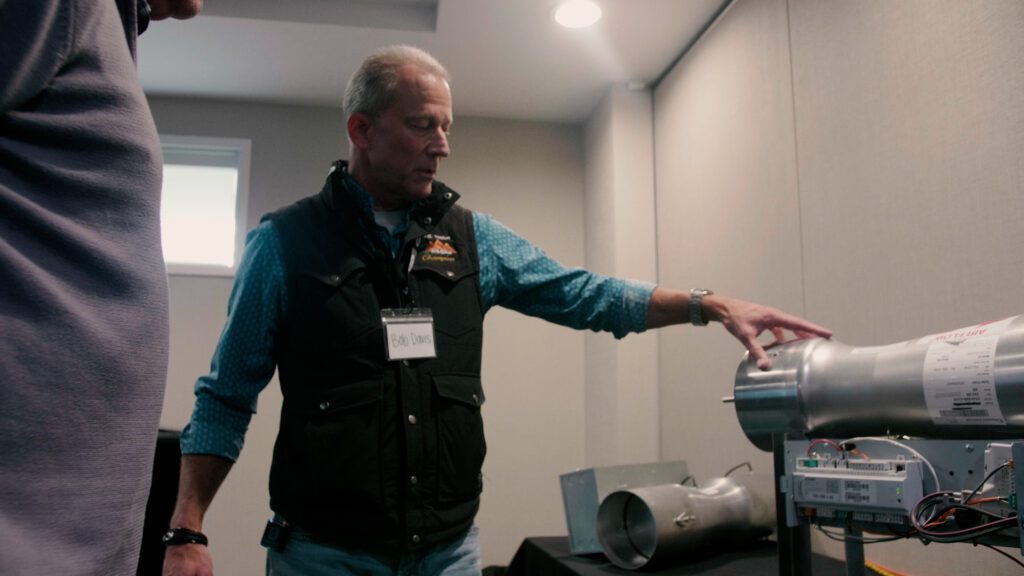
Standard terminal boxes require three feet of straight duct to measure airflow accurately, which creates a messy footprint. For that project, I proposed using Siemens lab-grade boxes instead. These don’t require that straight duct run, which allowed us to eliminate a massive amount of ductwork and silencers. We gave the client a more robust system that fit the project aesthetically and saved them nearly half a million dollars in installation costs.”
Q: Knowing that you’re an expert in the labs space and a details guy, what specific technologies are you currently most excited about for lab owners?
“The Siemens Desigo platform is a game-changer because of its ‘validated suite.’ Many lab owners go through a grueling, manual certification process every six months to ensure their rooms meet safety standards. We can use a “bolt-on” software package that automates these reports directly from the control system. It transforms a manual headache into an automated, routine submission.”
Q: You often mention that MacDonald-Miller thrives as an “integrated partner.” Why does that matter for these complex projects?
“Because critical environments are not something you want to “play” around in or simply award to the lowest bidder. When our mechanical, design, and controls teams are all under one roof at MacDonald-Miller, the communication is phenomenal. We can catch clashes between plans and real-world application on paper before a single piece of equipment is installed.
If you have three different contractors and a separate engineer who aren’t talking, the first thing that suffers is the owner’s budget due to conflicts and rework. Worse yet, critical systems failures down the line. In a high-stakes environment, high-level communication and collaboration is the only way to stay on time and on budget.“
Q: How does MacDonald-Miller approach upgrades in critical facilities where downtime isn’t an option?
“For data centers, labs, or hospitals you don’t get a whole lot of permissible downtime during retrofits.
At MacDonald-Miller, we’ve become very skilled at “pre-engineering” the old systems to convert to new ones. This involves an incredible level of detail. Even a small example of knowing the exact lengths of existing wire in a panel so we can place new terminal blocks without having to “stretch” a wire is a big deal. By focusing on these minutiae, we minimize downtime and provide the customer with a clean, updated ecosystem that is ready for the next 30 years.“
Q: Looking ahead, what is the biggest challenge the industry needs to solve?
“Energy performance. Labs and most critical environments generally are notorious “energy hogs” because you’re moving massive amounts of air through the space and exhausting it immediately.
We’re always looking for new technology and innovative applications to make even seemingly small energy efficiency improvements. For example, MacDonald-Miller is using automatic sash closers on fume hoods to automatically close the hood sash when it is not in use.
The goal for the next decade is carbon neutrality for these facilities. I see the future in fault detection, data analytics, and AI. We will soon see systems that use AI to constantly fine-tune fan curves and airflow, keeping the environment safe while drastically reducing the energy footprint.”