



In the middle of downtown Portland, inside a historic, occupied building, MacDonald-Miller faced a challenge: modernizing critical mechanical infrastructure while preserving the building’s aesthetic integrity. This wasn’t a standard “run pipe from A to B” job. It demanded precision-first planning, creative problem-solving, real-time field validation, and tight coordination across teams. This is the complex type of project where the MacDonald-Miller team shines.
One of the boldest elements? Building a mechanical shaft exterior to the building. In a modern new build, you’d typically have clearer pathways and fewer unknowns. Pittock was the opposite: legacy conditions, strict constraints, and limited opportunities for traditional supports. Our job was to deliver a solution that respected the building’s history while meeting today’s performance demands.
That’s where the value of the MacDonald-Miller team approach shows up.
Success doesn’t come from one department “doing their part” independently. It comes from teams working in unison:
- Detailing that translates design intent into constructable reality
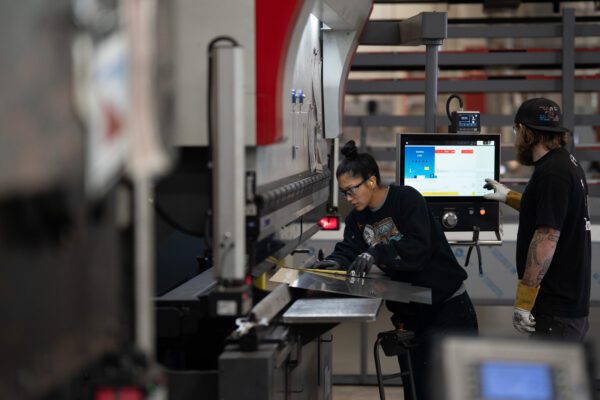
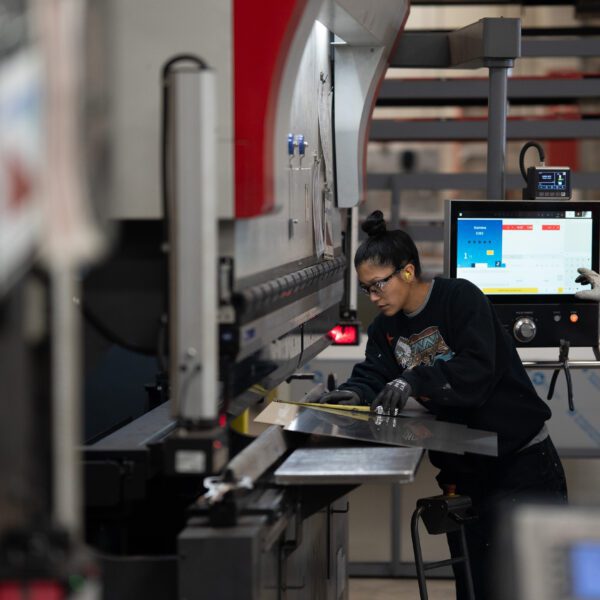
- Shop fabrication that executes with extreme accuracy and consistency
- Field teams that install safely and efficiently, with real-world constraints front and center
At Pittock Block, this collaboration was essential from day one. Prefabrication wasn’t a nice-to-have idea; it was a must. Every decision is needed to consider shipping limitations, crane picks, rigging, and the realities of working at height in the middle of a city, within tight time windows. Getting it wrong would mean delays, rework, and disruption in a building that couldn’t afford it.
